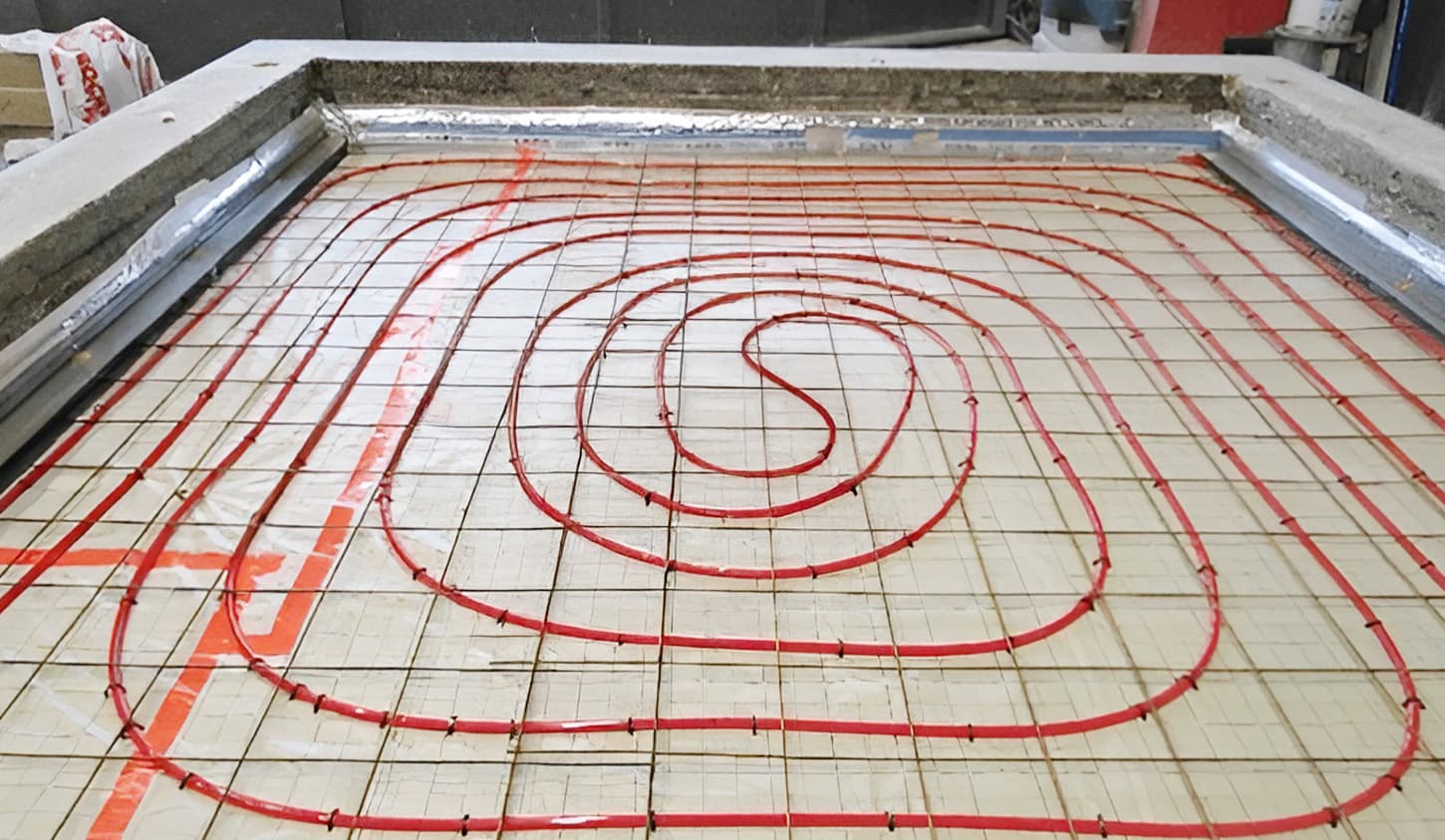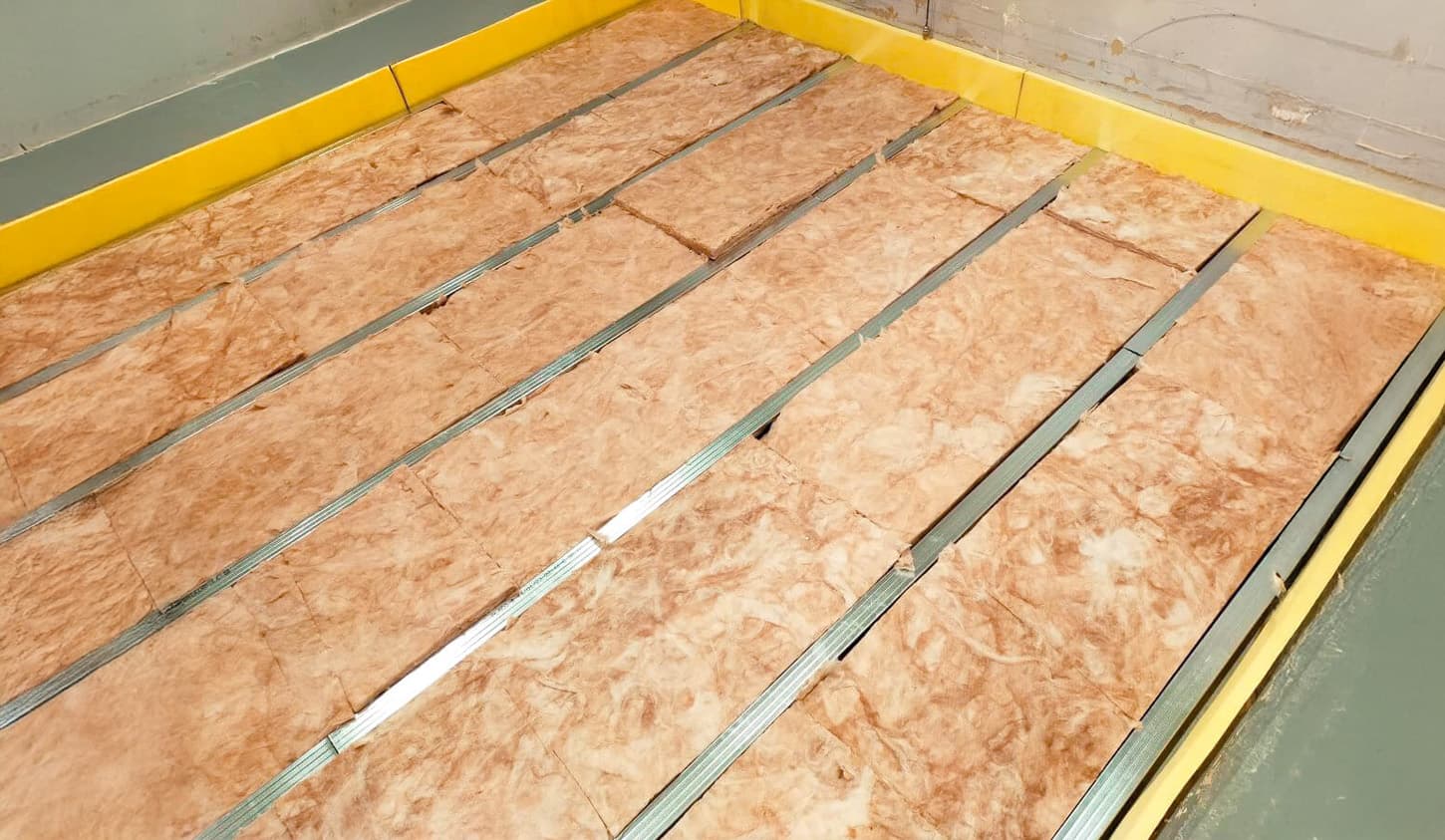

LABORATORY TEST RESULTS FOR LIGHT WOOD STRUCTURES
LABORATORY TEST RESULTS FOR LIGHT WOOD STRUCTURES
INTRODUCTION
A newly built or renovated building must comply with acoustic requirements depending on the country they are built in or the acoustic demands they must fulfil. These are put in place to give an improved living quality of their owners and prevents them being disturbed by problematic noisy neighbours.
Depending on the country, the quantity of wooden structure buildings may be important, especially those ones placed in the historic side of the city. They usually are light buildings that have limitations regarding the amount of load their structure can withstand, so the acoustic isolation solution cannot incorporate heavy concrete based solutions as floating floors. In these cases we have to give priority to dry construction solutions.
Achieving good noise insulation values with light structures is often a challenge. The transmission of noise through a rigid structures (structure borne noise) in these type of buildings plays a major role. In order to find easy constructive methods with the lowest cost-factor, AMC Mecanocaucho® has been working together with acoustic labs in order to obtain test results that can meet the acoustic demands of the most demanding countries.
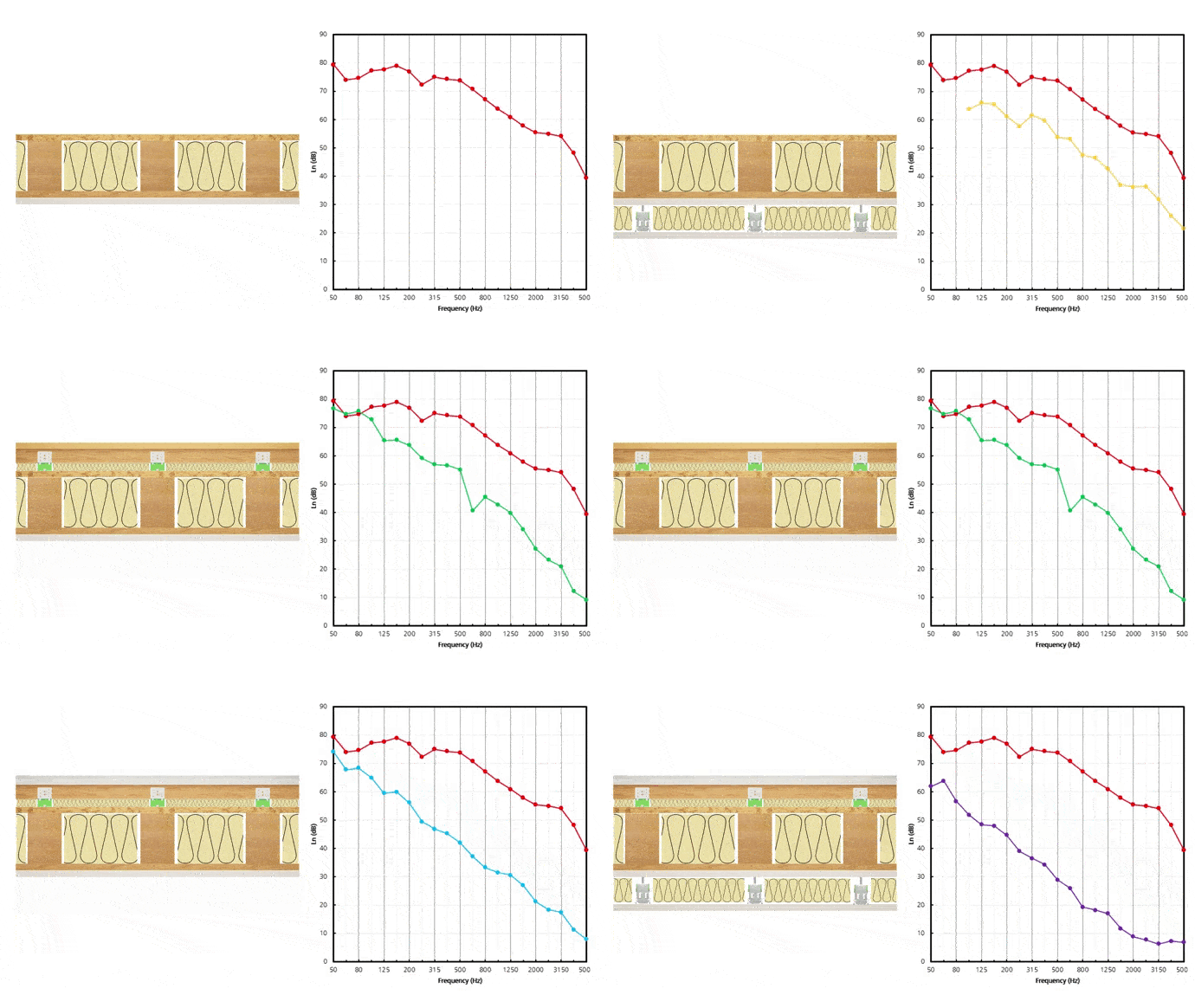
This article shows the tests results for floating floor and hanging ceiling installations for light wooden structures, compared to a solution without isolation elements. Tests have been carried out using different solutions, either on the floor suspension, on the ceiling or combining both systems.
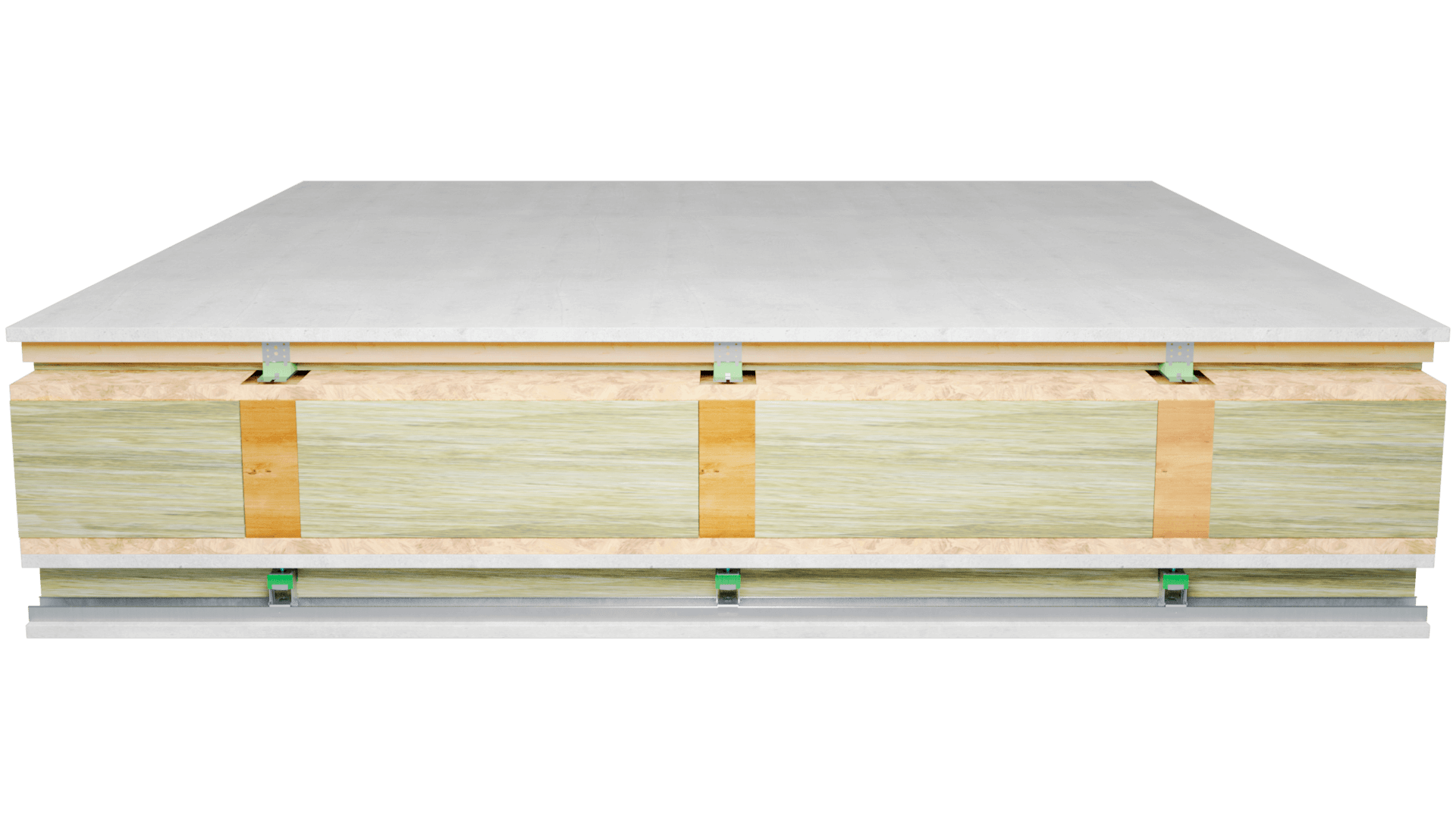
THE PRODUCTS THAT HAVE BEEN TESTED ARE:
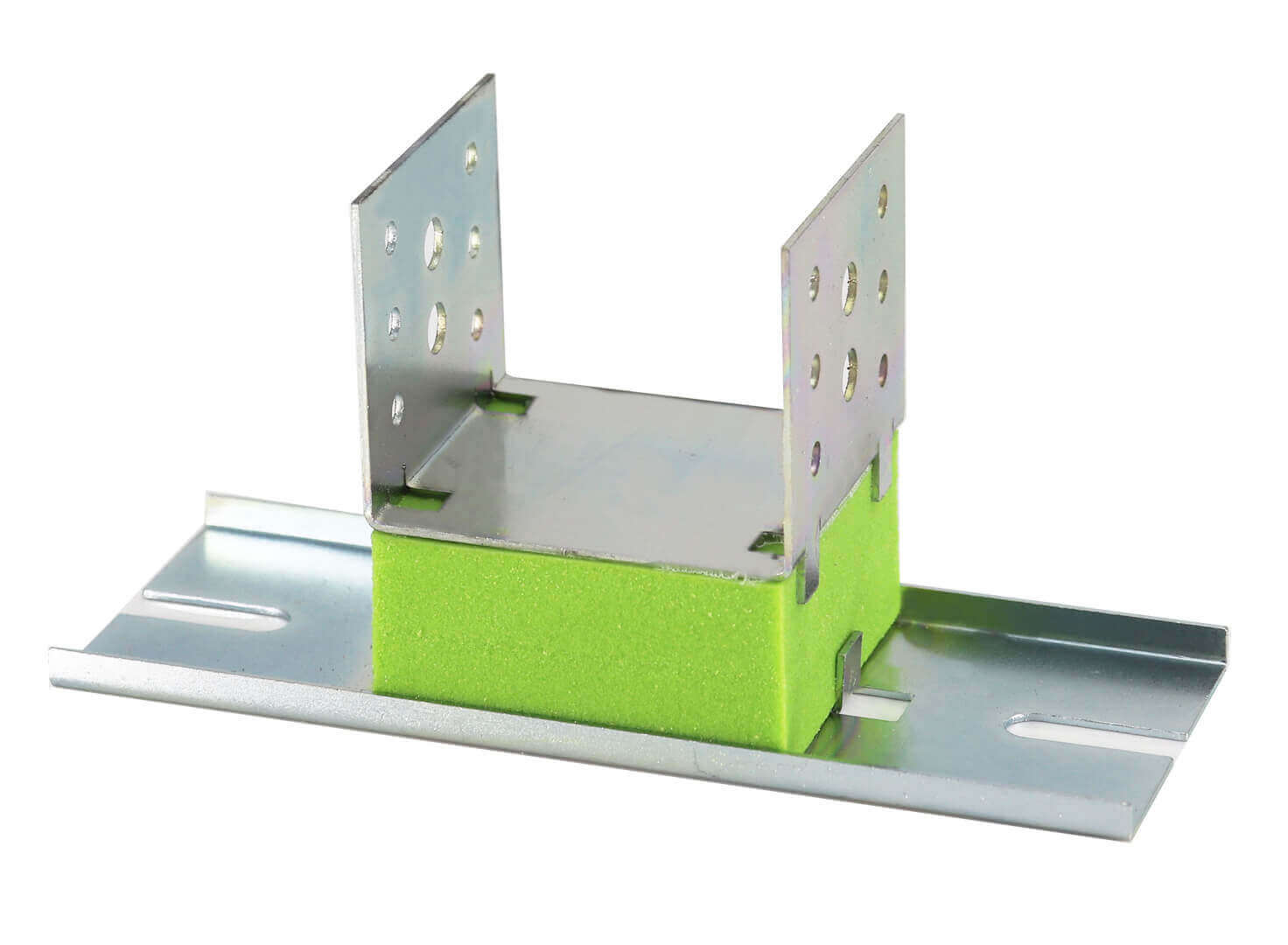
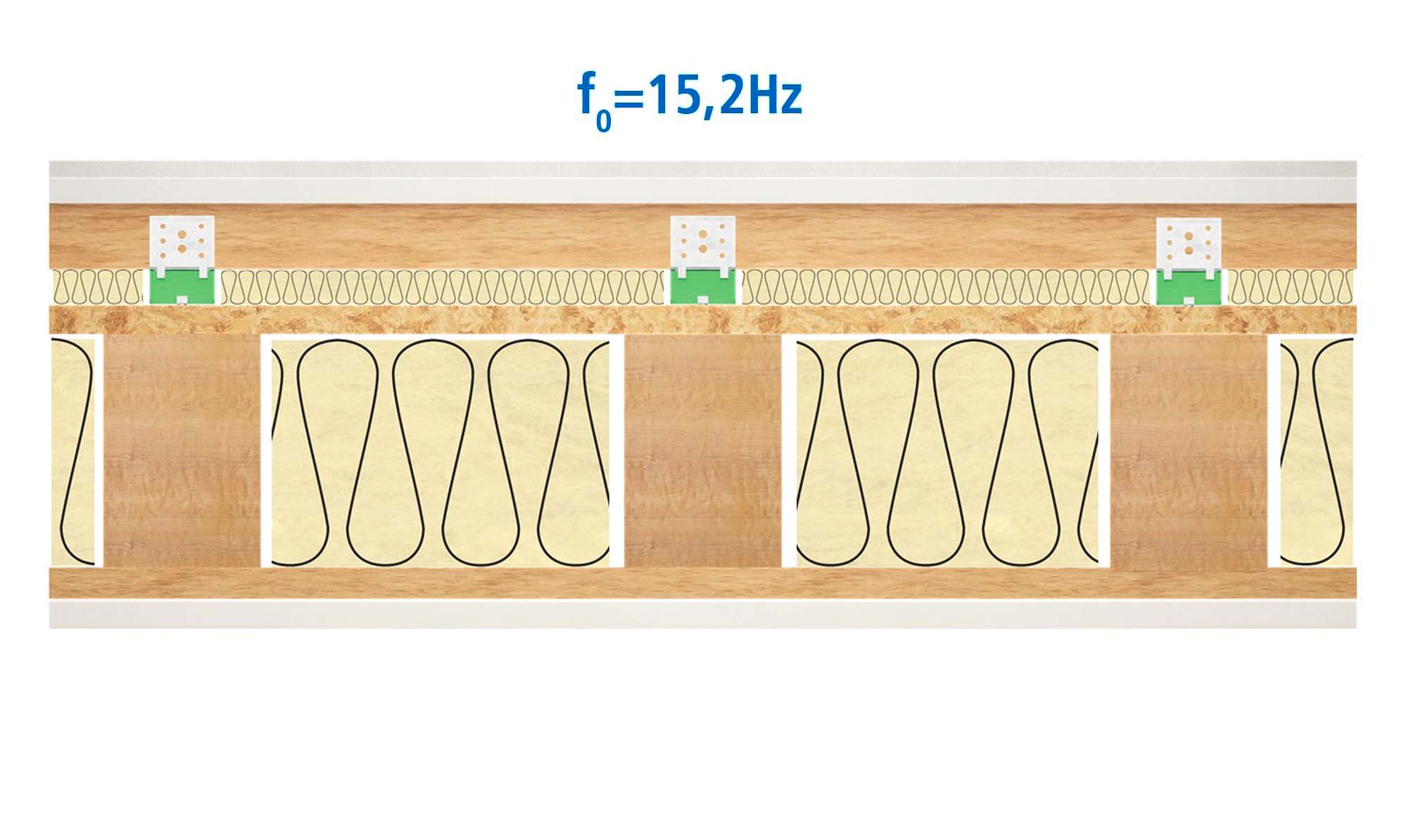
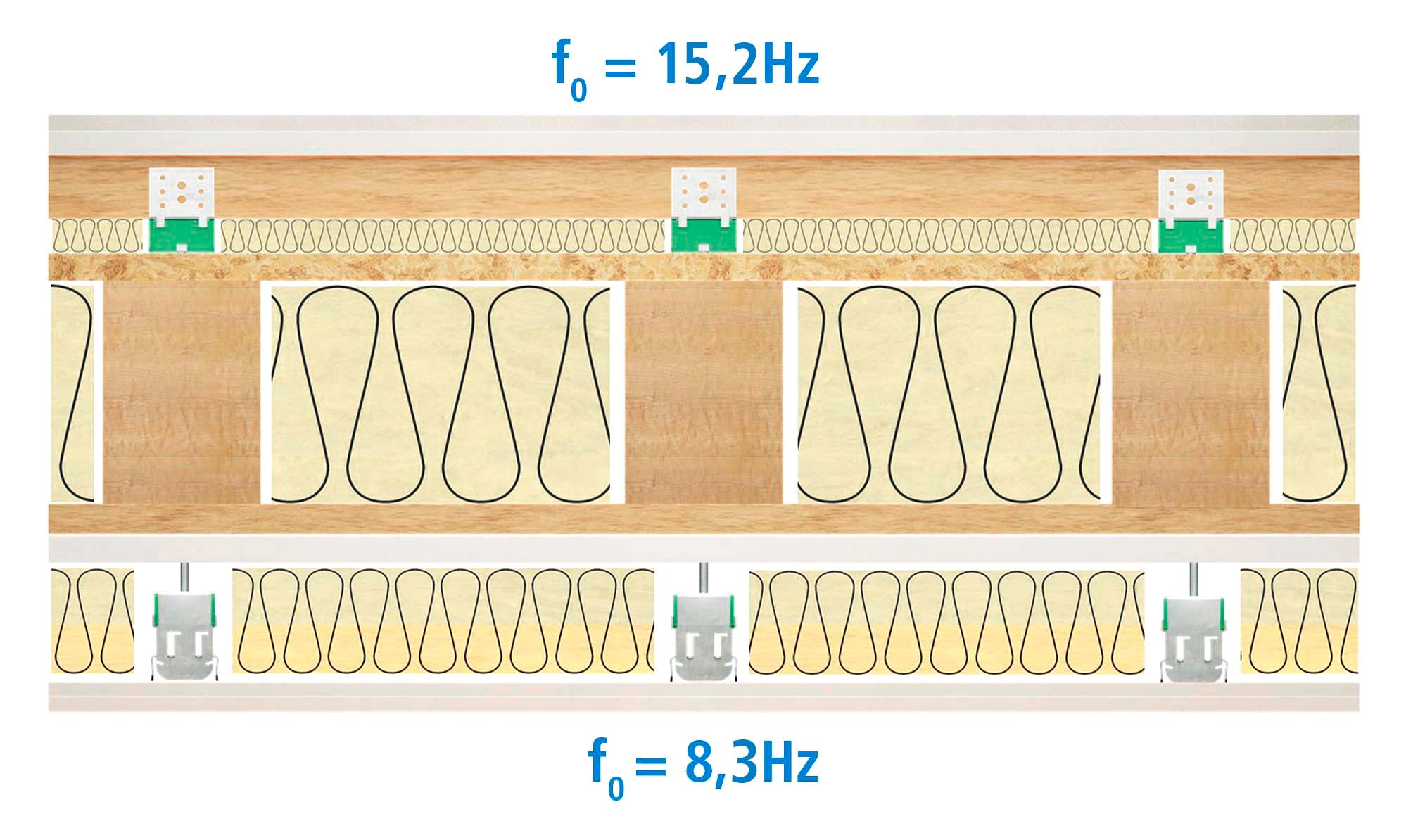
AKUSTIK + SYLOMER FLOOR MOUNTS
The Akustik + Sylomer® floor mounts are vibration isolato s that have been designed for the installation of wooden floors with a batten system. Their easy installation and low space requirement allows exceptional vibration and noise isolation as part of a floating floor application.
These mounts are typically installed every 19,69''. But this feature may be tuned in order to adapt to the load or natural frequency requirement of the application. The natural frequency at their optimal loading point reaches values below 12 Hz. These technical properties provide a high level of noise and vibration isolation when used in light wooden structures.
AKUSTIK SUPER + SYLOMER® T-60
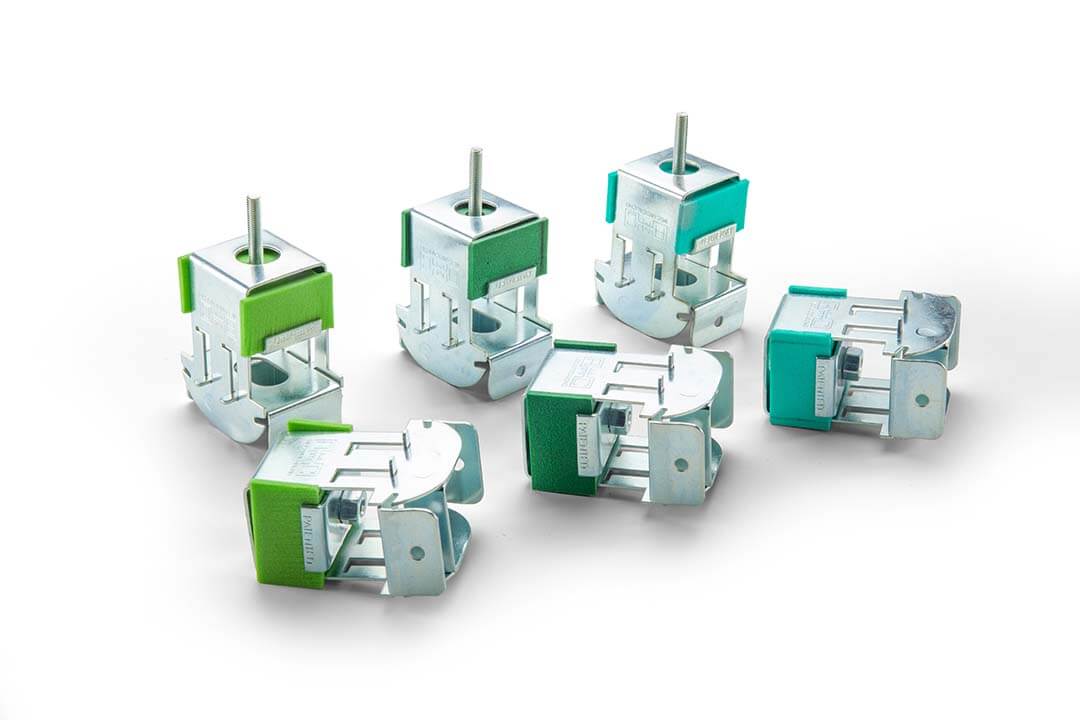
The Akustik Super + Sylomer® T-60 acoustic hangers have been designed to suit a standard furring channel profile. The are a specially designed profile which allows the metal channel to simply be pushed in to place, this provides a quick and easy installation. Once secured with screws this system gives exceptional vibration and noise isolation as part of an acoustic ceiling installation.
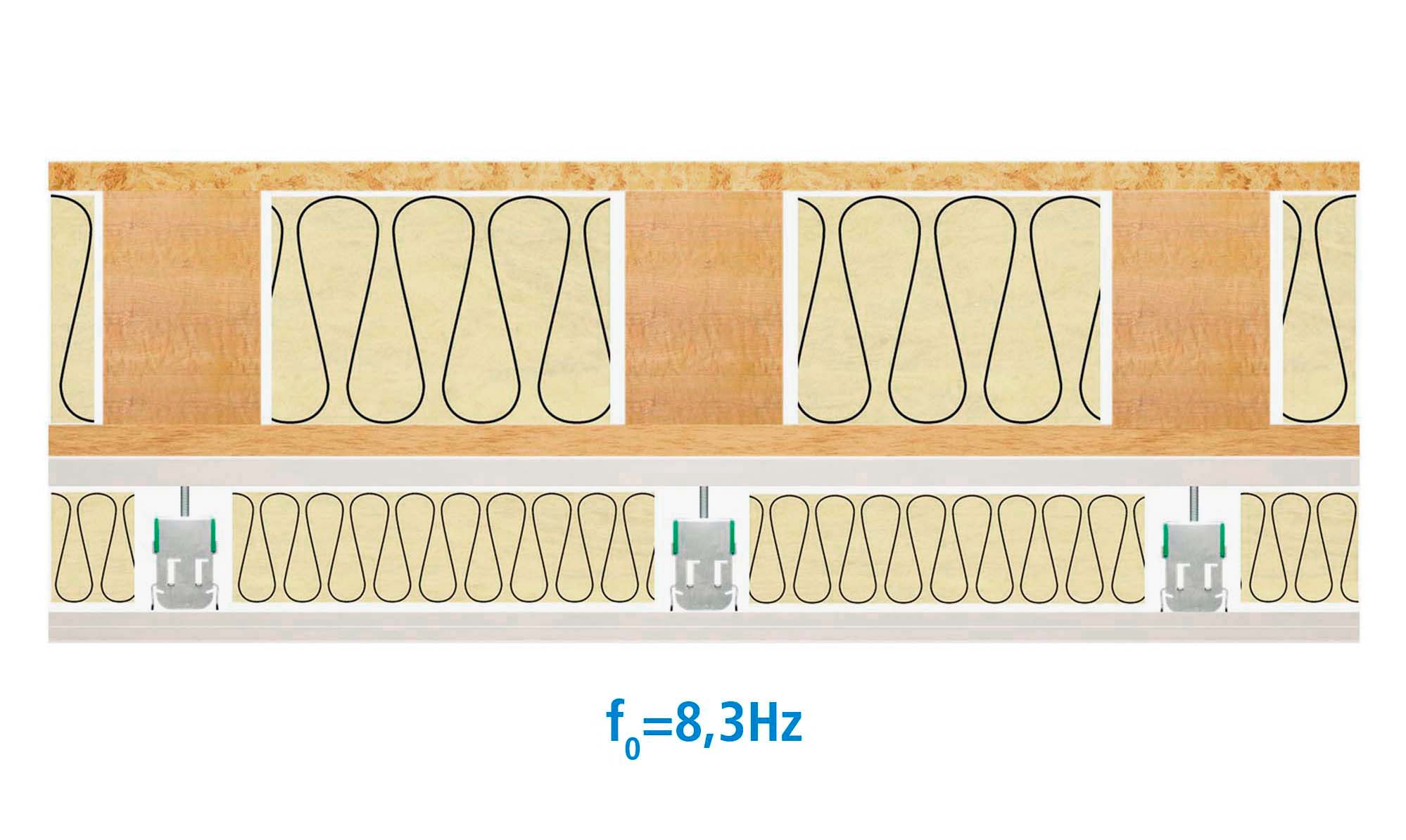
The Akustik + Sylomer® hangers are manufactured in four special mixes of Sylomer® to adapt better to the load of each application. The natural frequency at their optimal loading point can reach values below 7 Hz. These technical properties also provide a high level of noise and vibration isolation when used in light wooden structures.
RESULTS OF THE LABORATORY TESTS
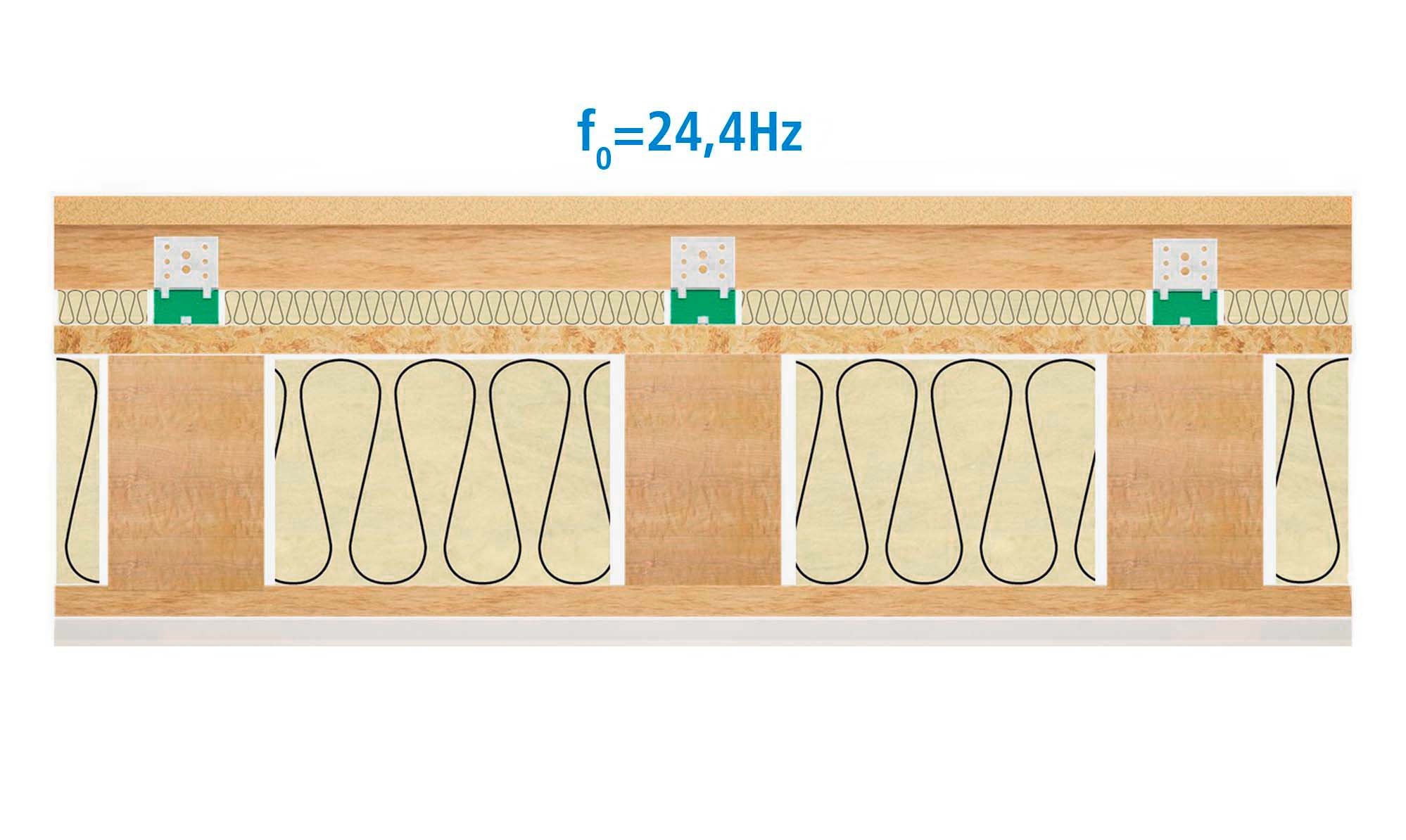
In order to show the acoustic advantages when using Akustik+Sylomer® Floor mounts and Akustik + Sylomer® Super T60 acoustic hangers in a light wood construction, an independent external technological center has performed impact and airborne noise tests using different configurations in light wooden structures.
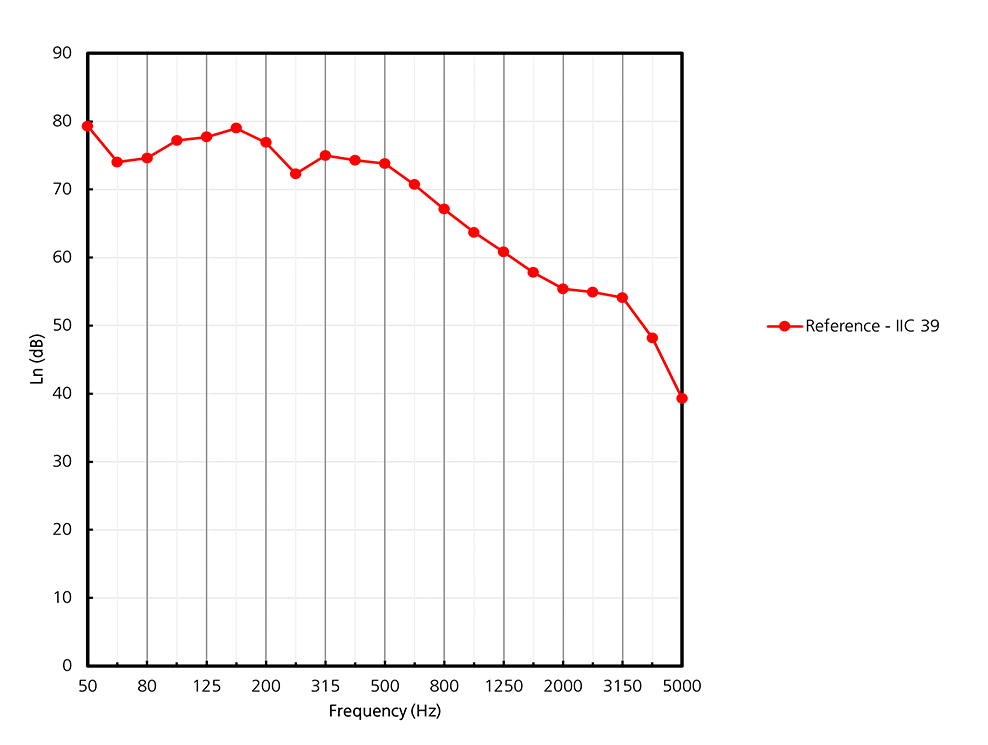
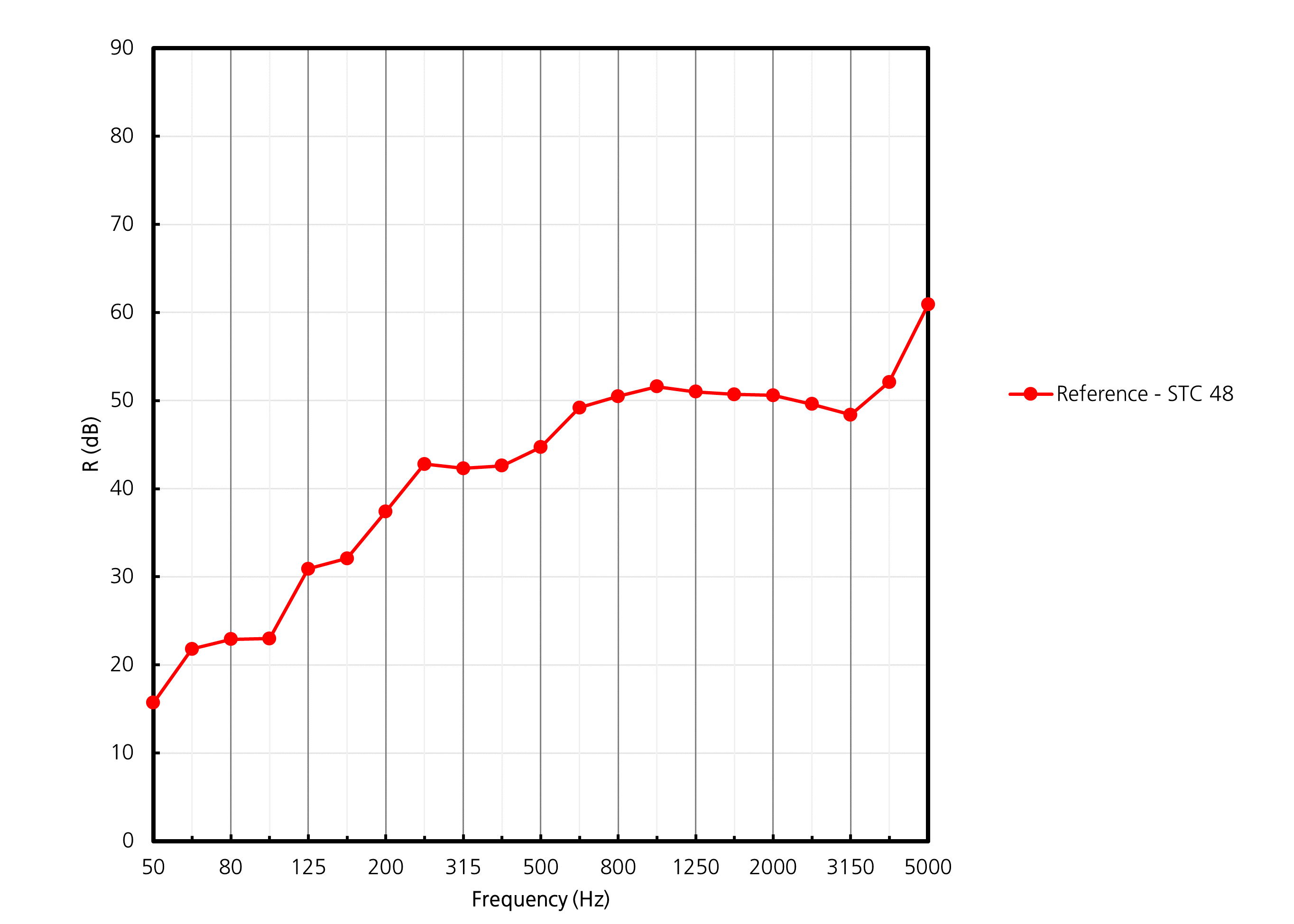
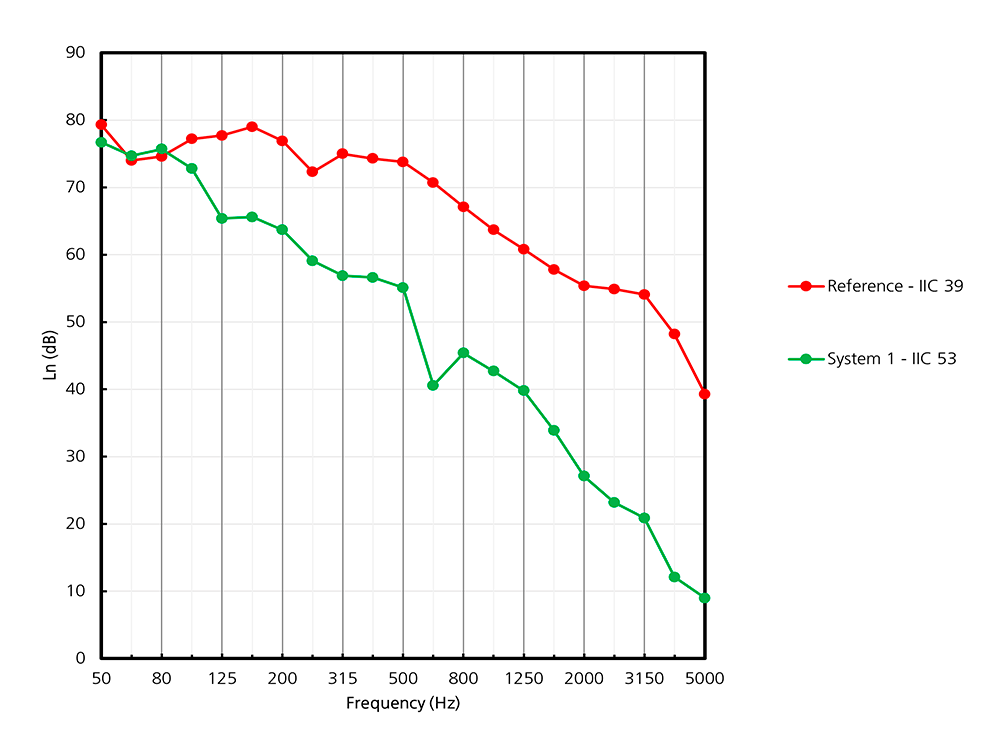
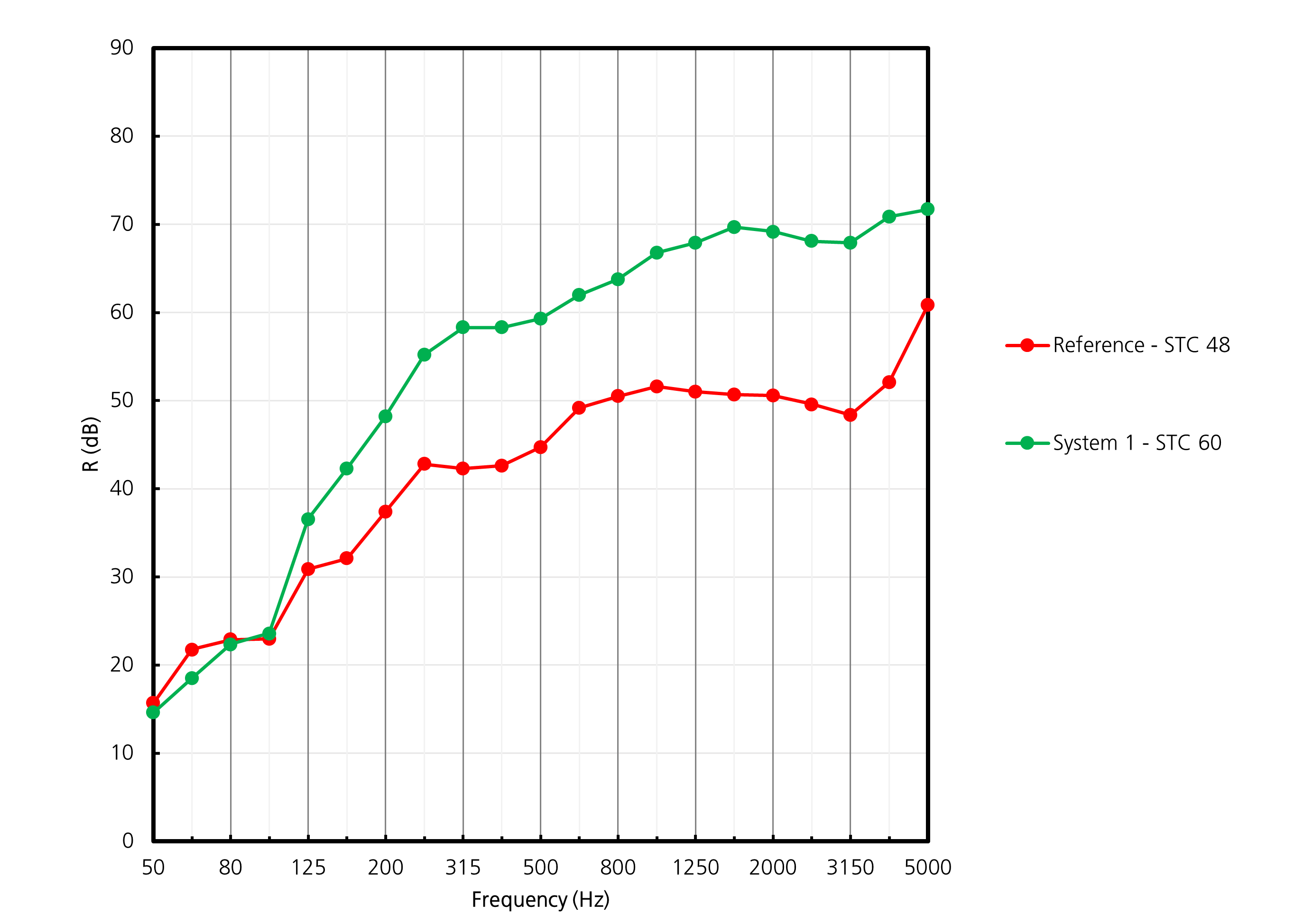
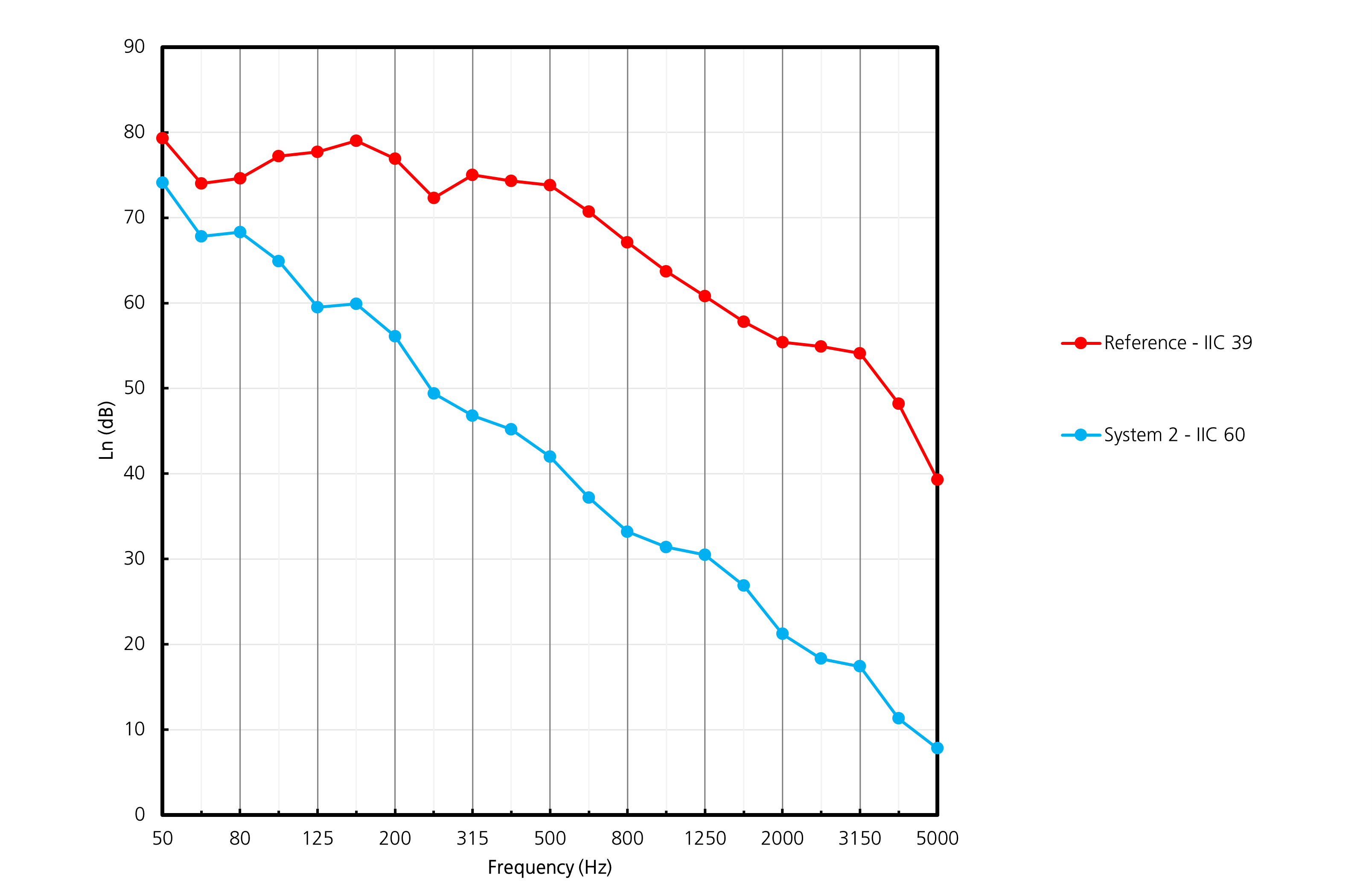
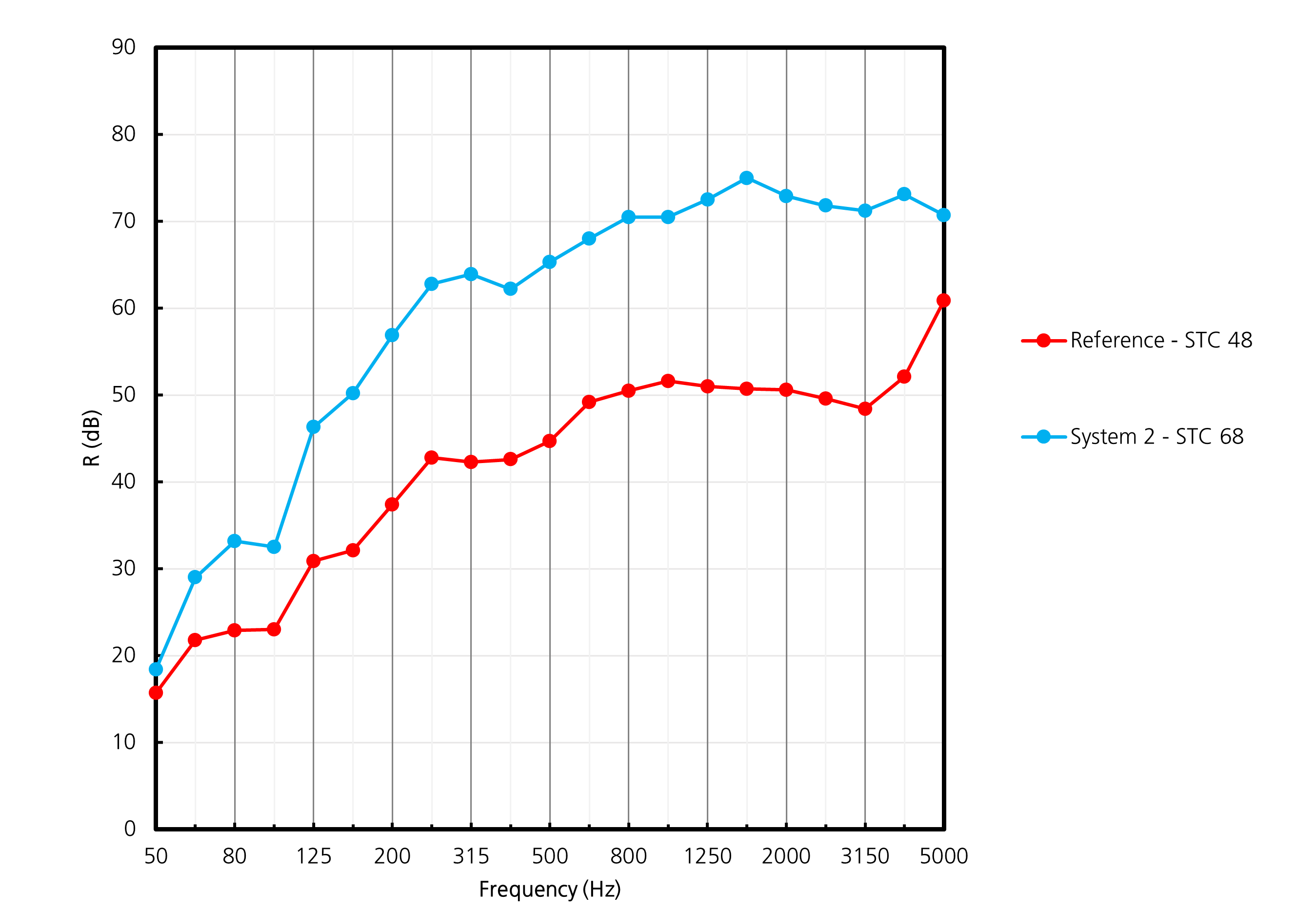
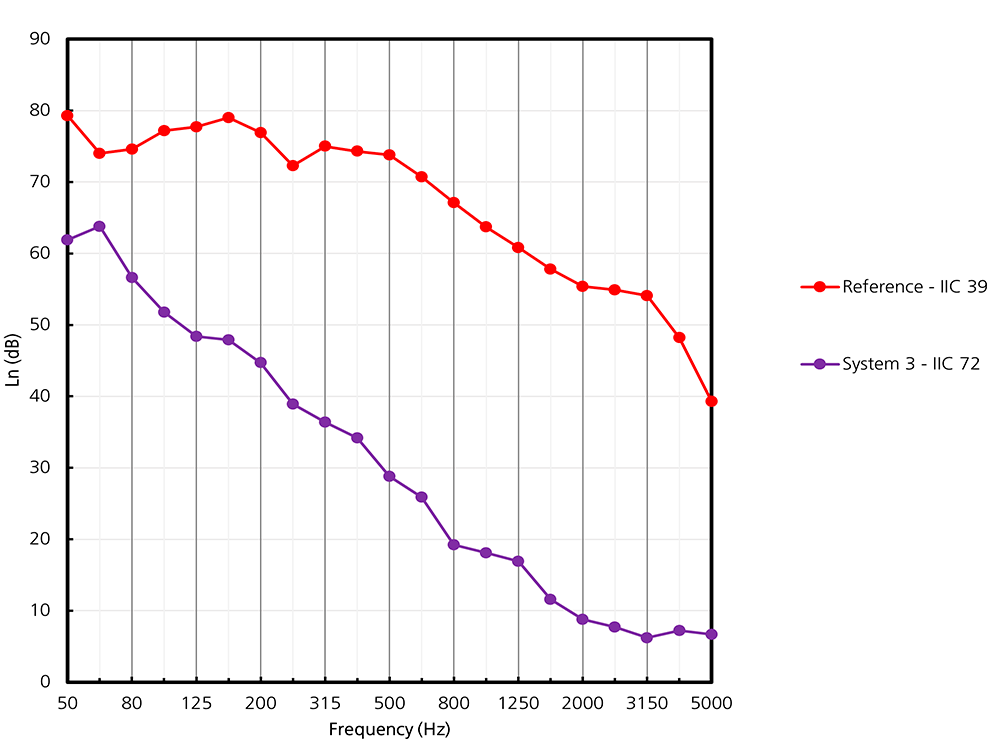
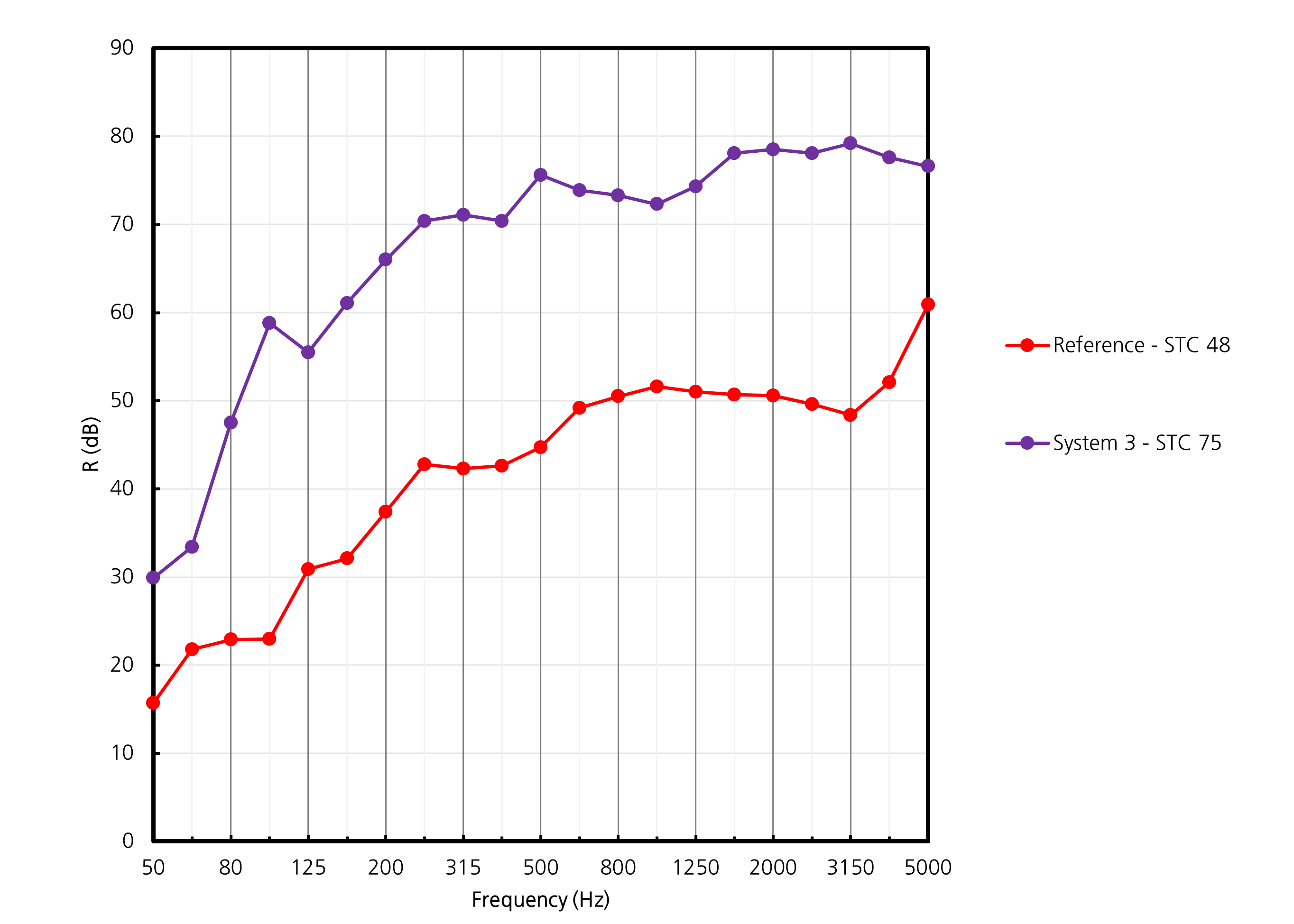
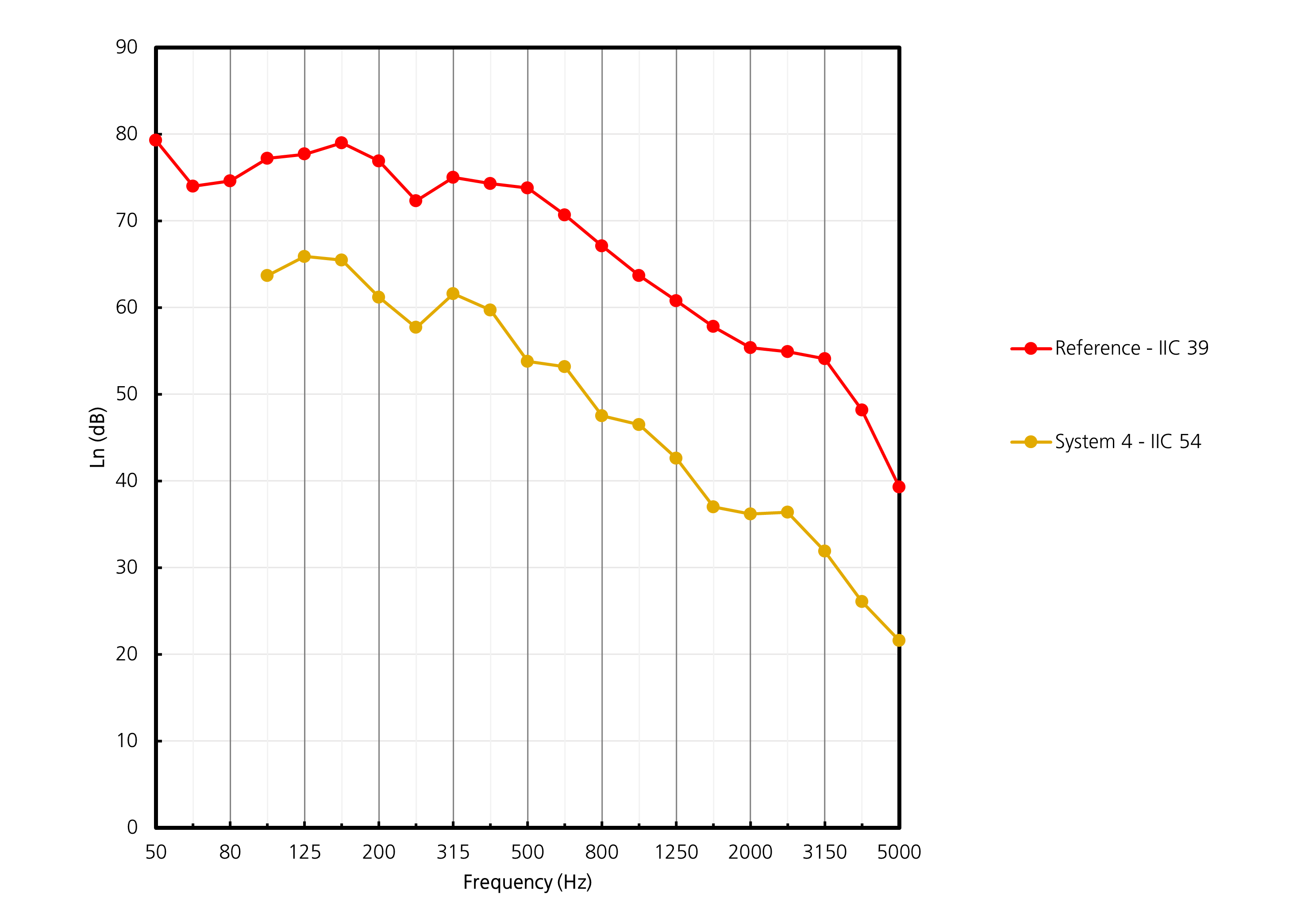
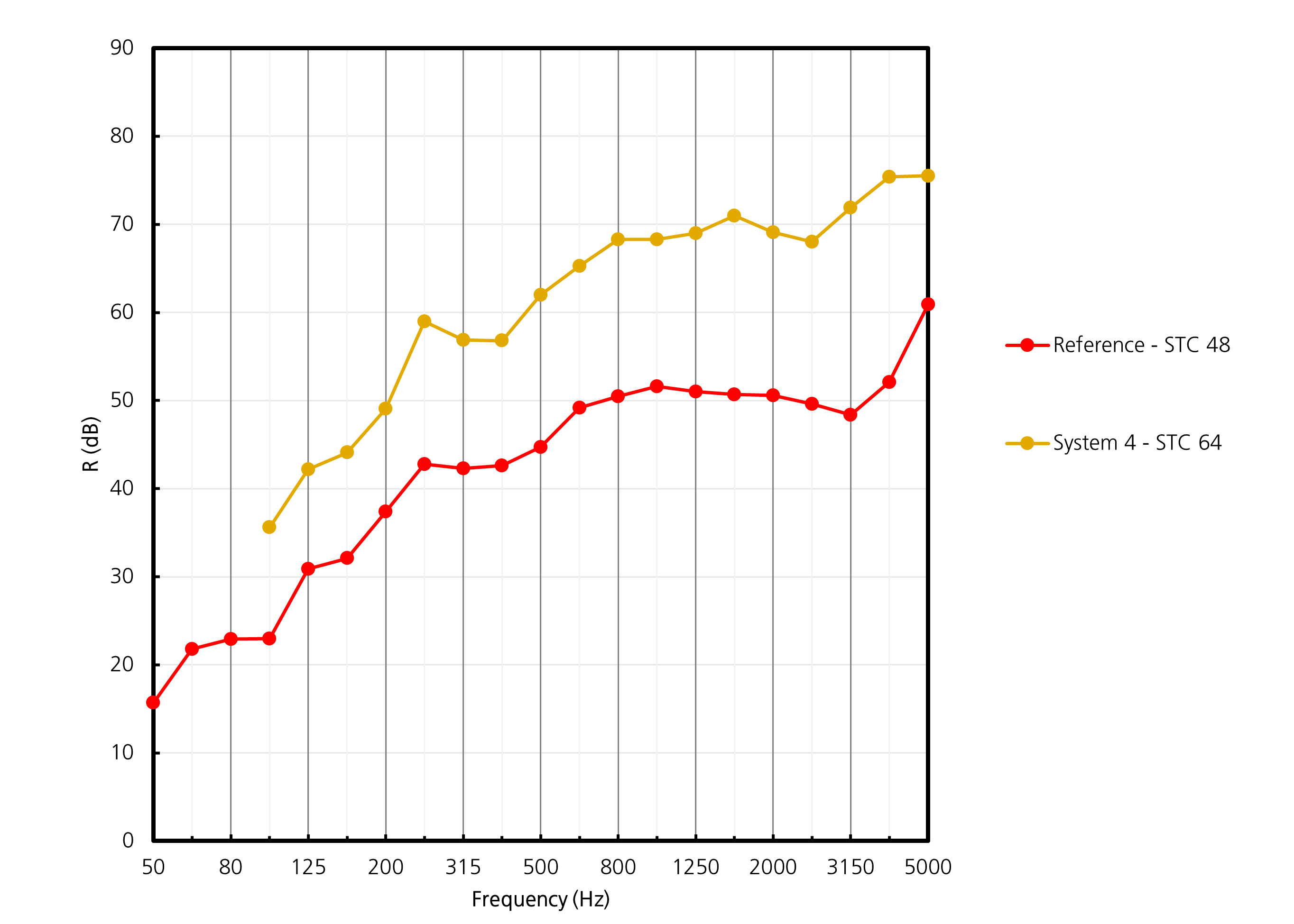
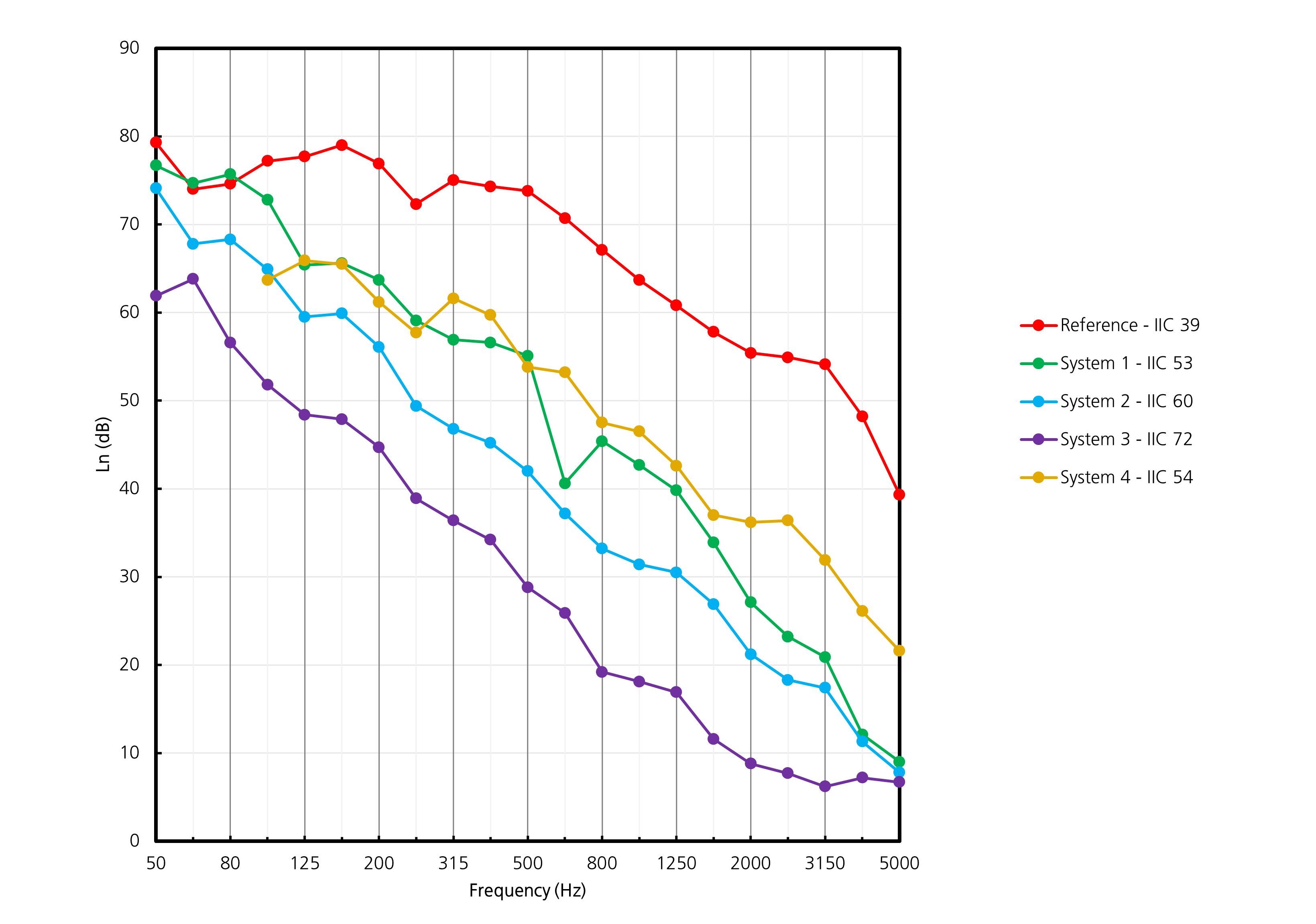
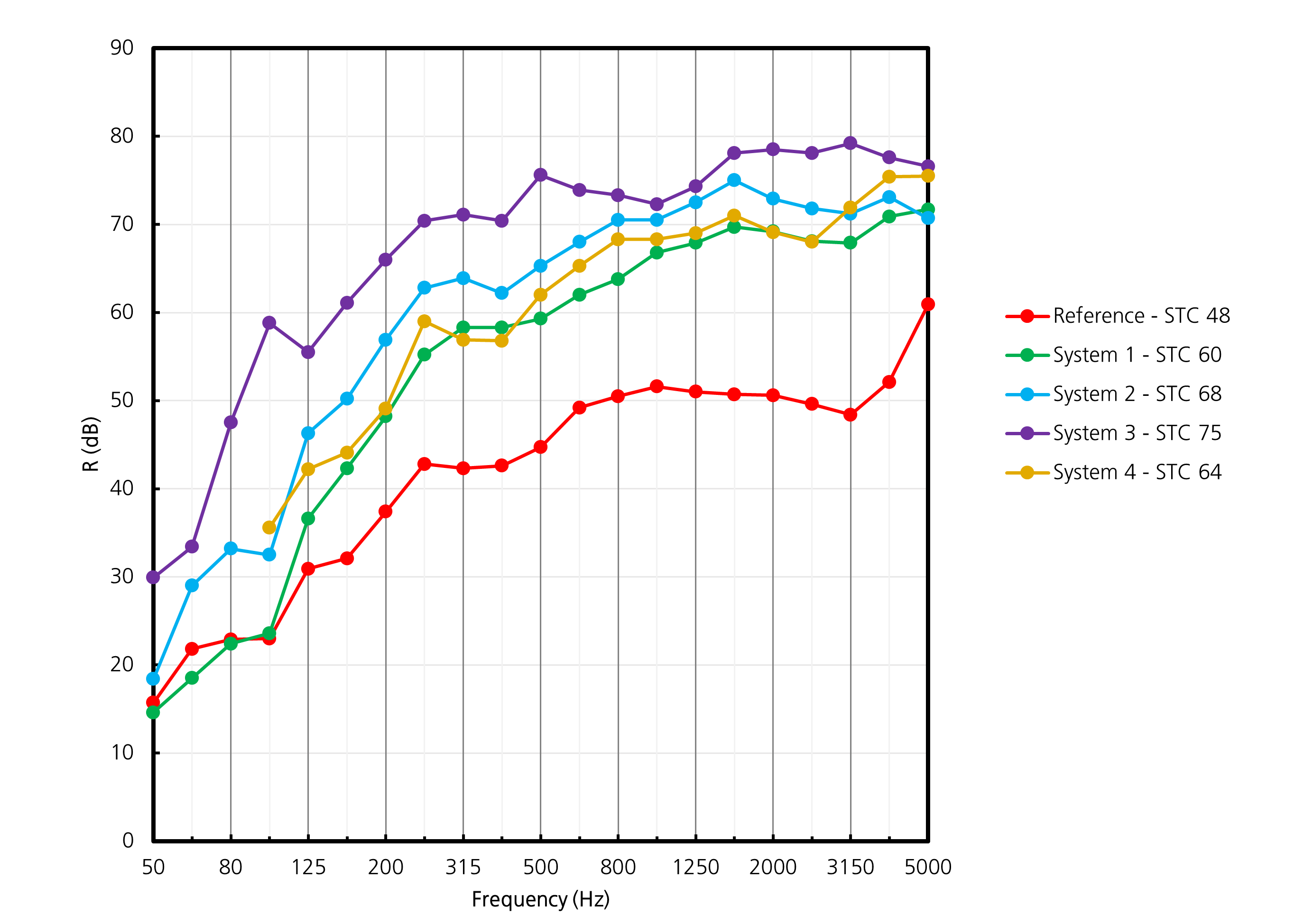
Based on the obtained test results,an airborne noise reduction up to 27dB and impact noise reduction up to 33dB can be obtained, compared to the reference configuration, without any Akustik + Sylomer® mount and any Akustik hanger.
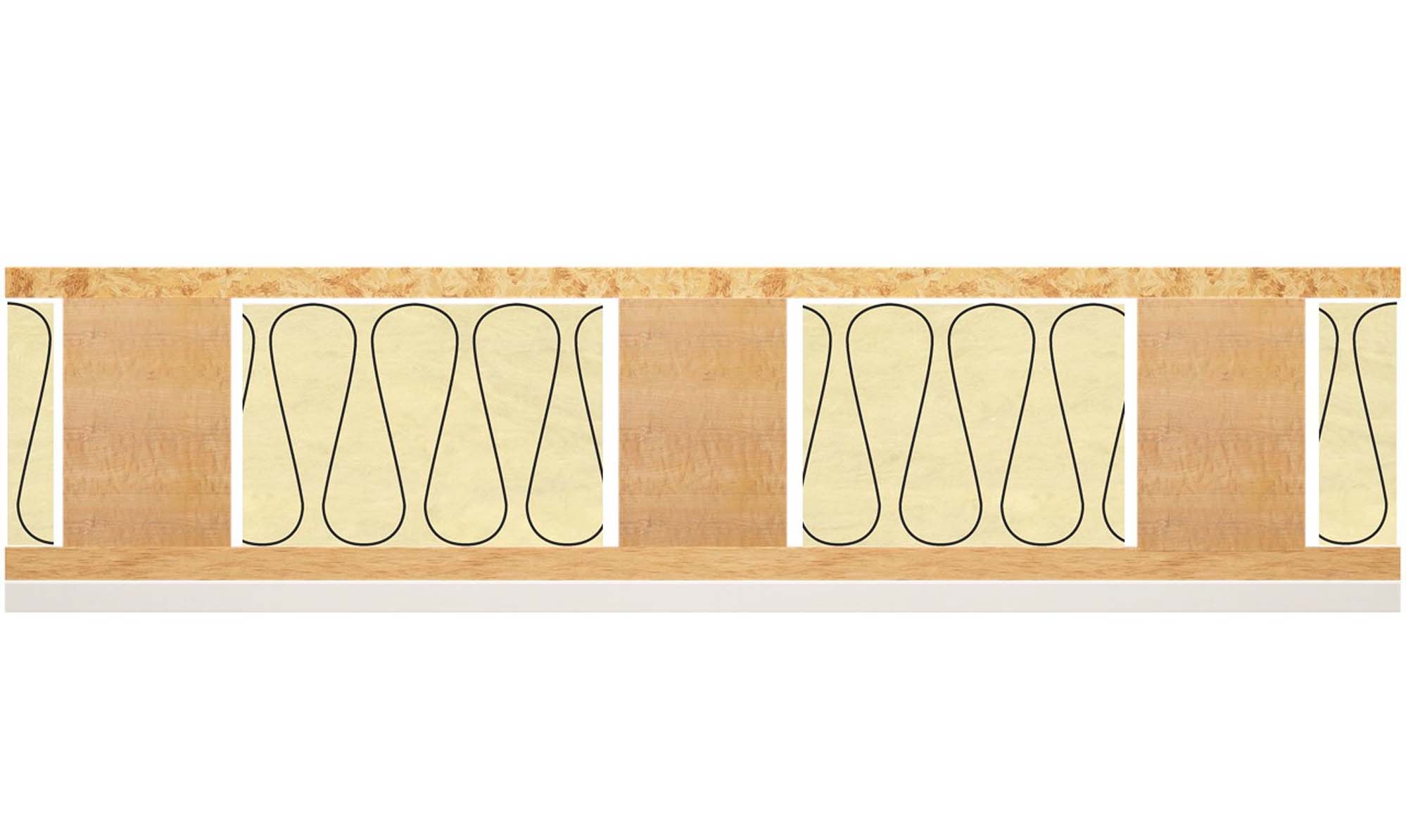
The tested configurations are shown below:
| Scheme | Description |
|---|---|
|
|
|
Impact noise results - calculated according to ISO 717-2: 2013 |
Airbone noise results - calculated according to ISO 717-1: 2013 |
|
|
| Go to the Impact Noise test report (PDF) | Go to the Airborne Noise test report (PDF) |
| Scheme | Description |
|---|---|
|
|
|
Impact noise results - calculated according to ISO 717-2: 2013 |
Airbone noise results - calculated according to ISO 717-1: 2013 |
|
|
| Go to the Impact Noise test report (PDF) | Go to the Airborne Noise test report (PDF) |
| Scheme | Description |
|---|---|
|
|
|
Impact noise results - calculated according to ISO 717-2: 2013 |
Airbone noise results - calculated according to ISO 717-1: 2013 |
|
|
| Go to the Impact Noise test report (PDF) | Go to the Airborne Noise test report (PDF) |
| Scheme | Description |
|---|---|
|
|
|
Impact noise results - calculated according to ISO 717-2: 2013 |
Airbone noise results - calculated according to ISO 717-1: 2013 |
|
|
| Go to the Impact Noise test report (PDF) | Go to the Airborne Noise test report (PDF) |
| Scheme | Description |
|---|---|
|
|
|
Impact noise results - calculated according to ISO 717-2: 2013 |
Airbone noise results - calculated according to ISO 717-1: 2013 |
|
|
| Go to the Impact Noise test report (PDF) | Go to the Airborne Noise test report (PDF) |
|
Impact noise results - calculated according to ISO 717-2: 2013 |
Airbone noise results - calculated according to ISO 717-1: 2013 |
|---|---|
|
|
Do not hesitate to contact our application engineers for more information on this product.